Health and Safety Policy for Cleaner Earls Court
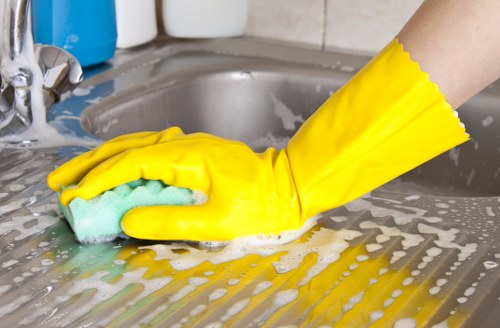 This health and safety policy sets out the standards expected from every Cleaner Earls Court service delivery, with the aim of protecting clients, staff, visitors, and property at all times. Our approach is built on prevention, careful planning, and consistent safe working practices that reduce risk during everyday cleaning tasks. We recognise that cleaning work can involve slips, trips, falls, exposure to chemicals, manual handling, and contact with contaminated surfaces, so safety must remain a core part of every activity.
The policy applies to all cleaning work carried out in homes, offices, communal areas, and other premises where cleaning services are provided. It covers routine cleaning, one-off deep cleans, waste removal, and the use of equipment and products. Every cleaner is expected to follow this policy closely, use common sense, and report anything that could lead to harm. In doing so, Cleaner Earls Court services maintain a professional standard that supports both efficiency and wellbeing.
Responsibilities and General Standards
Each member of the cleaning team is responsible for working safely, using approved equipment correctly, and following instructions related to the specific location and task. Supervisors, where applicable, must ensure that staff are trained, that risks are considered before work begins, and that any hazards are addressed promptly. Clients also have a role in helping to maintain a safe environment by sharing relevant information about access issues, fragile items, animals, alarms, or any known hazards on site.
Risk Assessment and Safe Practice
Before work starts, cleaners should assess the area for obvious hazards such as wet floors, broken glass, exposed wires, unstable furniture, poor lighting, or obstructed walkways. Where a risk is identified, the cleaner should take reasonable action to reduce it or stop work until the issue can be managed safely. This may include placing warning signs, isolating a space, using suitable gloves, or adjusting the cleaning method to avoid unnecessary danger. A careful Cleaner Earls Court approach always begins with observation and control of risk.
Safe practice also includes using correct posture during lifting, avoiding overreaching, and moving carefully in areas where floors may become slippery. Cables, buckets, mops, and vacuum equipment should be placed so they do not create a tripping hazard. Cleaners must work at a steady pace and never rush in a way that compromises safety. Good housekeeping is essential, as tidy work areas reduce the chance of injury and support a more reliable finish.
 Where tasks require access to higher surfaces, only suitable equipment should be used, and it must be stable, inspected, and appropriate for the job. Standing on chairs, boxes, or other unsafe items is not allowed. All cleaners should avoid improvising with equipment if a safer method is available. The goal is always to complete the task without exposing anyone to preventable harm, while keeping the health and safety policy practical and easy to follow.
Cleaning Products and Equipment
Cleaning products must be selected, stored, and used in line with the manufacturer’s instructions. Strong chemicals should never be mixed unless the product guidance specifically allows it, and all containers should be clearly labelled. Personal protective equipment, such as gloves, aprons, or eye protection, must be used when needed to reduce exposure to irritants or splashes. If a product causes discomfort, the cleaner should stop using it and report the issue immediately.
Equipment should be checked before use and kept in good working order. Faulty items must be removed from service until repaired or replaced. Electrical equipment should be handled carefully, kept away from water where appropriate, and unplugged safely after use. Cleaner Earls Court staff are expected to treat all tools as safety-critical items, because well-maintained equipment lowers the chance of accidents and supports consistent results.
The correct use of chemicals and machinery is essential not only for safety but also for hygiene and quality. Cleaners should follow the right dilution, application, and drying times so that surfaces are cleaned effectively without leaving harmful residues. Careful product handling helps protect people with sensitivities and ensures that all work is completed to a dependable standard.
Training, Reporting, and Emergency Response
 All cleaners should receive appropriate induction and ongoing instruction for the work they perform. Training should cover safe lifting, chemical handling, infection control, equipment operation, and what to do if an accident occurs. If a cleaner is unsure about a process, they should ask for clarification before continuing. Safety depends on knowledge, attention, and a willingness to act responsibly at all times.
Any accident, near miss, damaged item, or unsafe condition must be reported as soon as possible so that corrective action can be taken. Reporting helps prevent repeat incidents and supports continuous improvement in working standards. Incidents involving spills, cuts, exposure to substances, or suspected contamination should be dealt with promptly and calmly, using the safest available procedure. A strong health and safety policy depends on accurate reporting and quick response.
In an emergency, cleaners should prioritise personal safety and the safety of others. This may include leaving the area, alerting others, isolating a hazard, or seeking help if needed. Where relevant, first aid support should be obtained without delay. No cleaning task is more important than preventing injury, and all staff should be prepared to stop work if conditions become unsafe.
Hygiene, Waste, and Infection Control
Cleaning work often involves contact with waste, bodily fluids, and potentially contaminated surfaces. For this reason, strict hygiene procedures are required. Hands should be washed regularly, gloves changed when appropriate, and contaminated materials disposed of safely. Waste should be separated and removed in a way that reduces exposure to sharp objects, leaks, odours, and cross-contamination. These steps are central to the safe operation of any Cleaner Earls Court service.
Special care must be taken when cleaning bathrooms, kitchens, and shared spaces where germs may spread more easily. Cloths and mop heads should be used according to the task and replaced or sanitised as needed. Colour-coded systems, where used, should be followed consistently to avoid transferring dirt or bacteria from one area to another. This helps maintain both cleanliness and safety in a simple, reliable way.
 Protecting health also means being mindful of fatigue, stress, and workload. Cleaners should pace themselves, take appropriate breaks when possible, and avoid working when they are unwell in a way that could increase risk to themselves or others. A safe workplace is one where people can perform tasks properly, without pressure to ignore hazards or work beyond safe limits.
Monitoring and Review
 This policy should be reviewed regularly to ensure it remains effective and suited to the work being carried out. Updates may be made following incidents, changes in cleaning methods, new equipment, or changes in risk levels. Everyone involved in service delivery is expected to support a culture of safety, where hazards are recognised early and dealt with sensibly.
By following clear procedures, maintaining equipment, handling materials carefully, and speaking up about concerns, Cleaner Earls Court services can provide dependable cleaning while protecting the wellbeing of everyone involved. Safety is not a separate task; it is part of quality, professionalism, and respect for the spaces being cleaned.